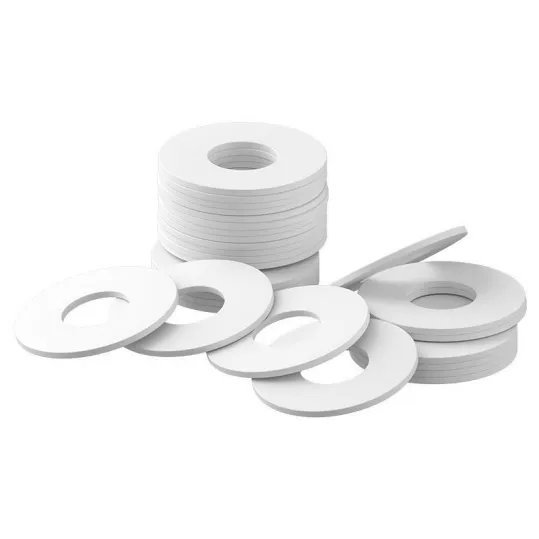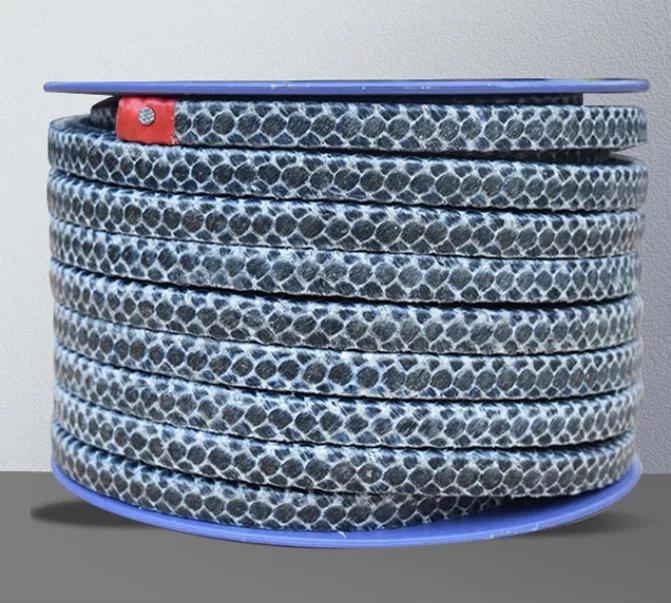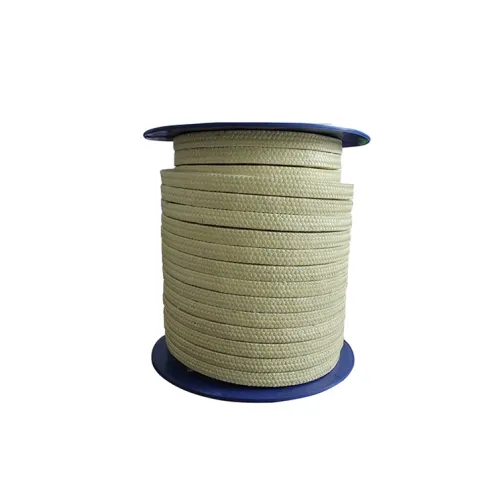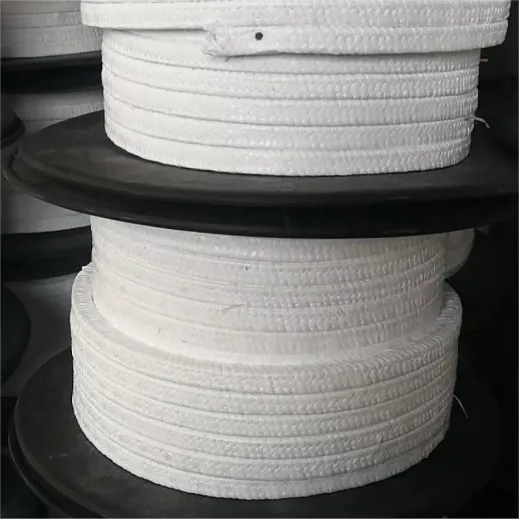
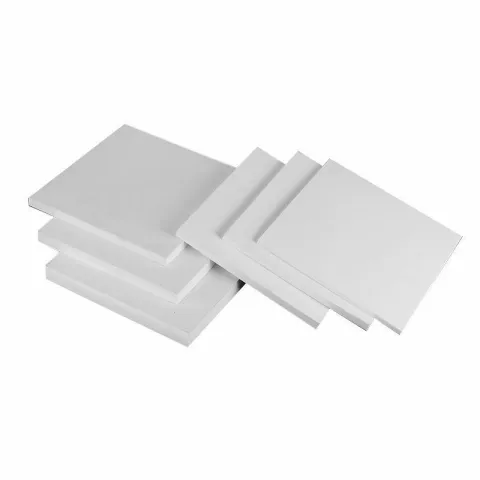
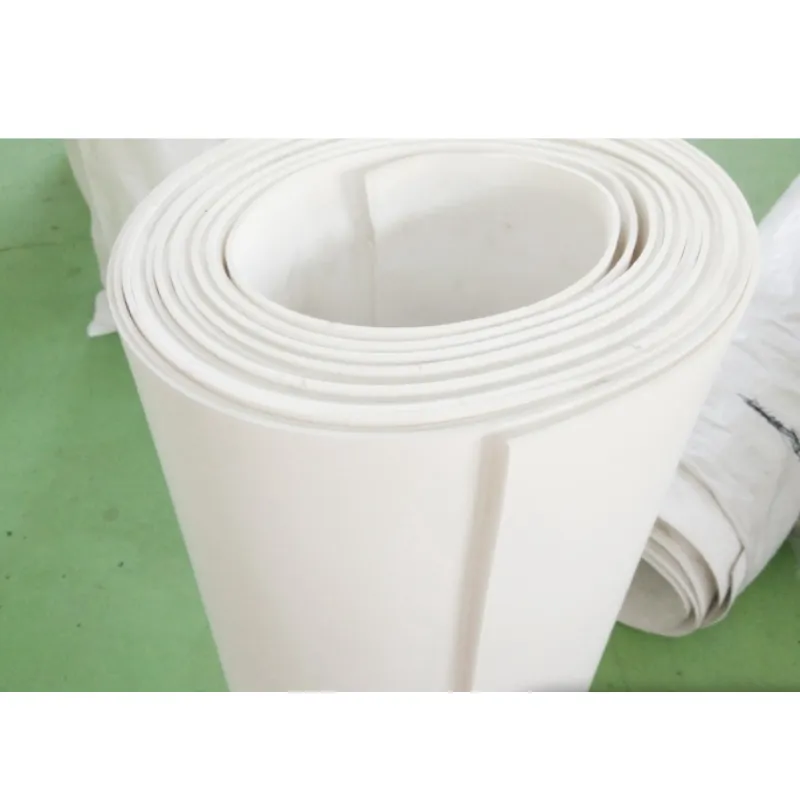
PTFE Sheet
Polytetrafluoroethylene (PTFE, also known as Teflon or F4) is a high-performance polymer renowned for its exceptional chemical stability, corrosion resistance, and non-stick properties. It can operate reliably over a wide temperature range, from -180°C to +250°C, making it an ideal choice for demanding sealing applications across industries.
Key Features
High-Temperature Resistance
Continuous operation up to 250°C
Low-Temperature Toughness
Maintains ~5% elongation even at -196°C
Outstanding Corrosion Resistance
nert to most chemicals and solvents, including strong acids, alkalis, water, and organic solvents;Only molten sodium and liquid fluorine are exceptions
Excellent Weather & Aging Resistance
Long-lasting durability, even under harsh conditions
Low Friction & Non-Stick
Minimal surface tension, prevents adhesion ;Self-lubricating for smooth operation
Non-Toxic & Biocompatible
Physiologically inert; safe for medical applications such as artificial blood vessels and organs
Industry
Application
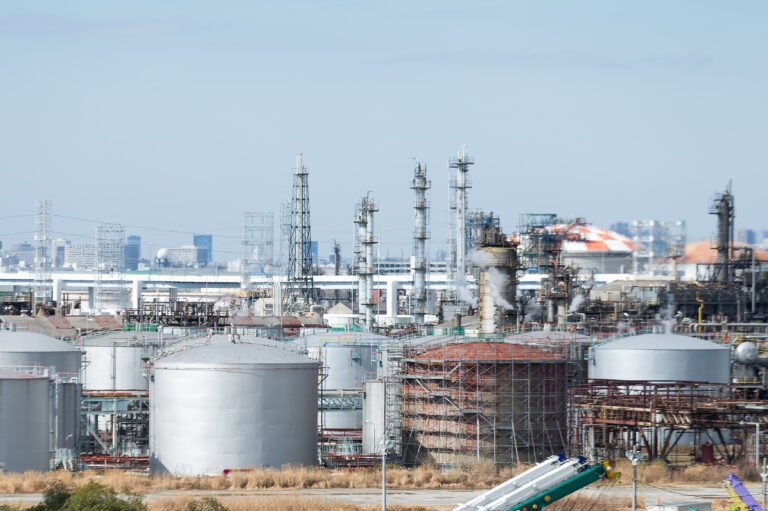
Petroleum, Chemical, Pharmaceutical, Power Generation, Steel

Water, oil, acids, alkalis, and most chemical solutions
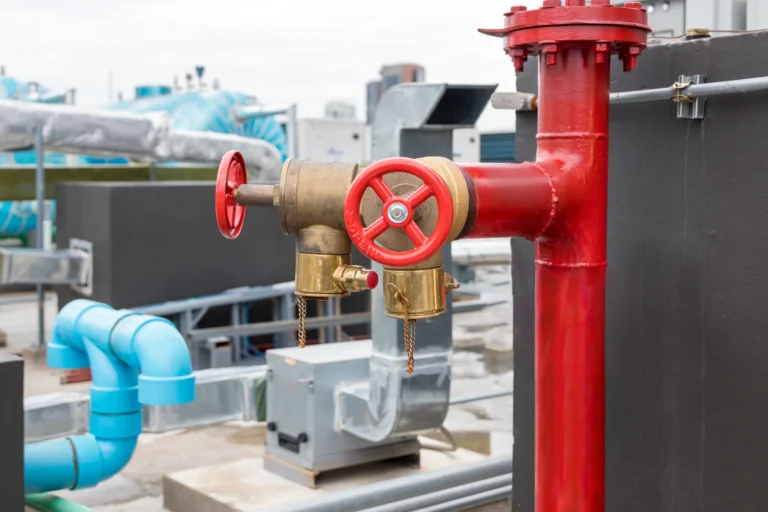
Valves, pumps, pipelines, and chemical processing machinery
Specification Sheet
Property | Unit | Value / Range |
Density | kg/m³ | 2.10–2.30 × 10³ |
Crystallinity | % | Resin 93–98 |
Melting Point | °C | 320 |
Heat Deflection Temperature | °C | 52 |
Vicat Softening Point | °C | 110 |
Thermal Decomposition Temperature | °C | >415 |
Linear Expansion Coefficient | 1/°C | 20–60°C: 10.2 × 10⁻⁵ |
Thermal Conductivity | W/(m·K) | 0.256 |
Poisson’s Ratio (25°C) | – | 0.40 |
Refractive Index | – | 1.37 |
Water Absorption | % | <0.01 |
Water Contact Angle | ° | 114 – 115 |
Surface Tension | N/cm | 18.5 × 10⁻⁵ |
Dielectric Constant (10 Hz) | – | ≤1.8–2.1 |
Volume Resistivity | Ω·m | ≥1 × 10¹⁴ |
Surface Resistivity | Ω | >10¹⁰ |
Arc Resistance | s | ≥300 |
Tensile Strength | MPa | 28 |
Elongation at Break | % | 235 |
Compression Modulus of Elasticity | MPa | 280 |
Compressive Strength (at 5% strain) | MPa | 12 |
Impact Strength (Notched) | kJ/m² | 1.8 |
Flexural Strength | MPa | 20 |
Flexural Modulus of Elasticity | MPa | 600 |
Coefficient of Friction | – | 0.11 |
Wear Amount | mg | 230 |
Wear Width | mm | 15 |
Shore hardness | – | 55 |
Compression strength | MPa | 5 |
Glass transition temperature | °C | 20 |
Service temperature | °C | 260 |
Dielectric strength | kV/mm | 80 |
Flammability (UL94) | – | V0 |
Key properties of PTFE sheets
- Excellent chemical resistance
- Flame resistant – UL94V0
- Working temperature -180°C to +200°C
- No stick and low friction
- The greatest resistance to fatigue (Wöhler curve)
- UV-resistant (does not age)
- FDA approved
- Not hygroscopic (water absorption < 0,01%)
- Very good dielectric insulation properties
Material Specifications
Standard dimensions
Angular plate
Unit: (mm)
Material | Thickness | Vertical × horizontal |
Pure PTFE | 1 to 6 (Skived) | 300, 500, 1000, 1220 |
7 to 80 (Stamped) | ||
With filler material | 4 to 50 (Stamped) | 300, 500, 1000 |
With special carbon | 1.5 to 3 | 1220 |
With special filler material | 1.5 to 3 | 1220 |
*For products with a thickness of 3 mm or less, we can manufacture a longer version of the product. If you are interested, please contact us.
General Purpose PTFE Sheet Material
Of course, the customization makes the Teflon sheets suitable for very specific applications. However, you may choose general-purpose PTFE sheets.
Property of PTFE Sheet Material | Rating |
Tensile strength | Poor |
UV resistant | Good |
Hardness | Medium soft |
Impact strength | Good |
Dimensions | Varies but it can be 6 by 6 inches to 48 by 48 inches |
Type
TOMBO No. | Filler Material |
9000-G15, 20, 25 | Glass fiber (15%, 20%, 25%) |
9000-GR15, 30 | Graphite (15%, 30%) |
9000-GMo | Glass fiber (15%) + molybdenum disulfide (5%) |
9000-GGR | Glass fiber (20%) + graphite (5%) |
9000-BR | Bronze (60%) |
9000-CF10, 15 | Carbon fiber (10%, 15%) |
9000-SC | Special carbon |
9000-LC | Low creep |
Production
Methods
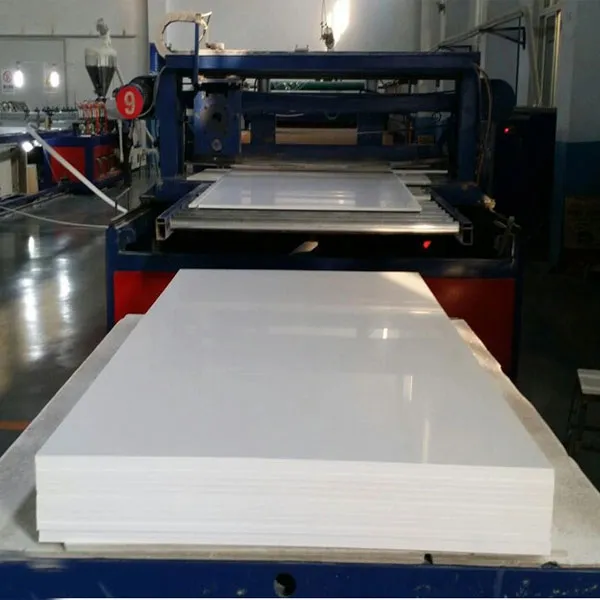
Molded sheets are manufactured by compressing PTFE resin powder at high pressures and sintering it to form a solid sheet. They have higher tensile strength and impact resistance than skived sheets. But they are available in a limited range of thicknesses and dimensions, and are more expensive due to the additional manufacturing process involved.
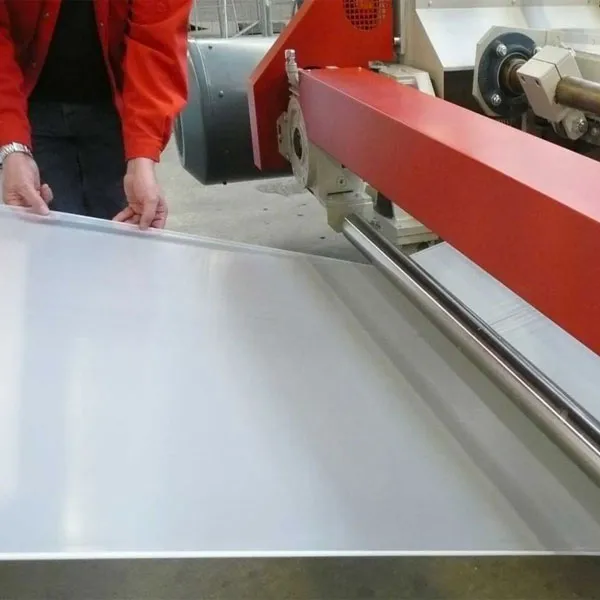
Skived sheets are made by skiving a block of PTFE resin using a cutting tool. This process produces thinner sheets with a smooth surface finish. They offer a wider range of thicknesses, starting from very thin film up to thicker plates. Skived PTFE sheets have lower tensile strength and impact resistance compared to molded sheets.
Why Choose PTFE Sheet?
- Reliable sealing in extreme chemical and temperature environments
- Excellent mechanical and chemical durability
- Low-maintenance, long-lasting performance
- Safe for industrial and medical applications
FAQ
Are PTFE sheets safe for food contact?
Yes, FDA compliant grades of PTFE are safe for food contact applications, as they meet regulatory standards for non-toxicity and purity.
How do I cut a PTFE sheet to size?
PTFE sheets can be easily cut using standard tools such as knives, saws, or CNC machines. For precise cuts, laser cutting or water jet cutting is recommended to avoid deformation.
Can PTFE sheets be used outdoors?
Yes, PTFE has excellent UV resistance and weather ability, making it suitable for outdoor applications without significant degradation over time.
What is the difference between virgin PTFE and filled PTFE sheets?
Virgin PTFE is pure and offers the best chemical resistance and electrical properties. Filled PTFE (e.g., with glass fiber, carbon, or bronze) enhances mechanical properties like wear resistance and compression strength but may slightly reduce chemical resistance.
How do I clean a PTFE sheet?
Clean with mild soap and water, or use solvents like isopropyl alcohol for tougher stains. Avoid abrasive cleaners that could scratch the surface.
Is PTFE sheet the same as Teflon sheet?
Yes, Teflon is a brand name for PTFE, so they refer to the same material. However, not all PTFE sheets are Teflon-branded; ours meet or exceed Teflon performance standards.
Can PTFE sheets be welded or bonded?
PTFE is difficult to bond due to its non-stick properties. Specialized adhesives or thermal welding techniques are required for effective bonding.
What are the storage conditions for PTFE sheets?
Store in a cool, dry place away from direct sunlight and extreme temperatures. Keep flat to prevent curling or deformation.
Are there any limitations to using PTFE sheets?
PTFE has low mechanical strength compared to metals, so it may not be suitable for high-load applications without reinforcement. It also has a high thermal expansion rate, which should be considered in precision applications.
Custom PTFE sheets Manufacturer
We offer specialized customization and production of high-performance PTFE and reinforced PTFE components, including:Sheets (Pure or Filled Variants)、Gaskets & Seals、Liners.
Our tailored solutions leverage PTFE’s exceptional properties—chemical resistance, wide temperature range, and durability—to meet exact application demands.